Alpine Matchday Incentives: Weaving Casino Elements and Safety Checks into Mobile Football Wagering Platforms
Yves Lehmann · Nov 9, 2026
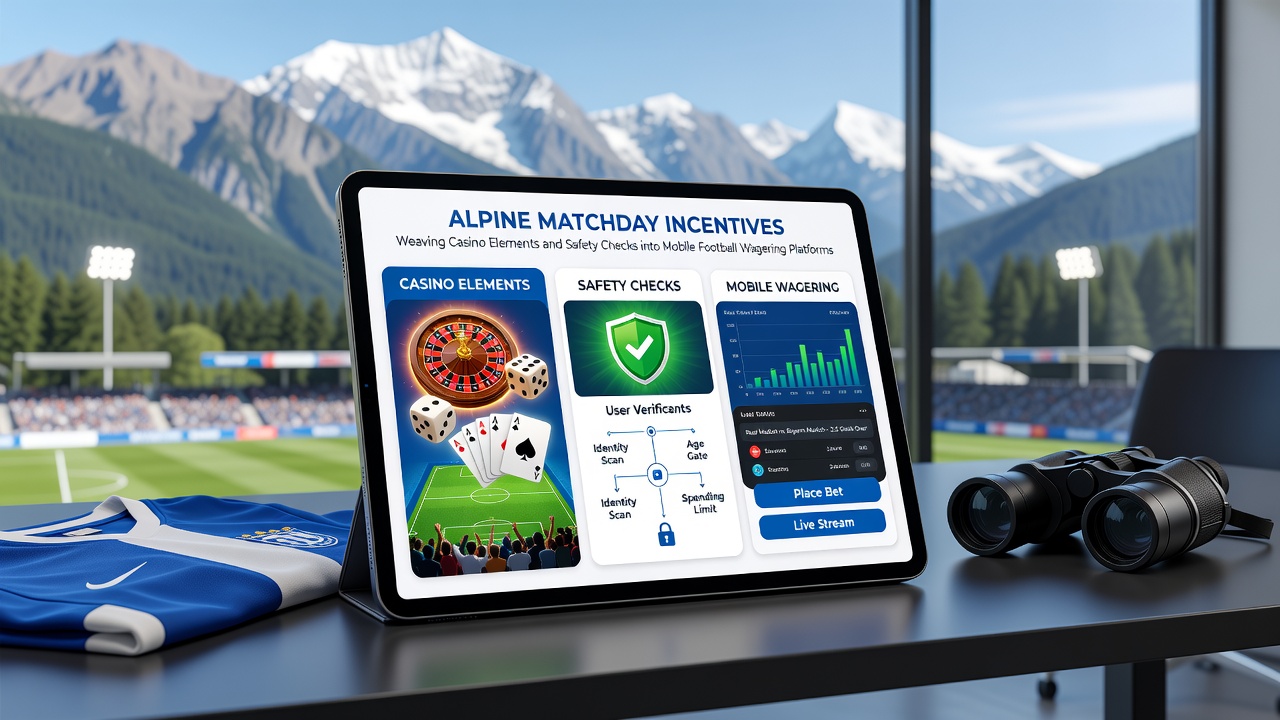
Alpine Matchday Incentives: Weaving Casino Elements and Safety Checks into Mobile Football Wagering Platforms
Alpine regions have seen mobile football wagering platforms evolve rapidly, and matchday incentives now combine casino-style features with built-in safety mechanisms that platforms deploy across Switzerland and neighboring countries. Observers note that operators link live betting markets to casino games through seamless app interfaces, while regulatory frameworks require verification tools that track user activity in real time. Data from November 2026 reveals increased adoption of these hybrid systems during peak football seasons, as platforms respond to user patterns that favor quick transitions between sports wagers and table games.
Integration of Casino Elements into Football Wagering Apps
Platforms embed casino elements directly into football match interfaces so users encounter roulette wheels or slot bonuses tied to goal-scoring events, and this approach draws from established casino mechanics that reward consecutive bets with multiplier features. Researchers at academic institutions across Europe have documented how such weaving occurs through API connections that pull live match data into casino modules, allowing half-time promotions where a user who places a correct score bet receives instant access to a free spin round. Those who've studied these systems find that the design keeps engagement high because casino rewards appear within the same session rather than requiring separate navigation.
Matchday incentives often take the form of tiered bonuses that activate based on cumulative football bets, and operators structure these so a user reaching a certain stake threshold unlocks casino credits that carry specific wagering requirements. Evidence from industry reports shows this method encourages sustained participation while the underlying algorithms monitor session length to trigger safety prompts at predefined intervals. What's significant is that platforms in alpine markets must align these incentives with local licensing rules that cap bonus values and mandate clear disclosure of terms before activation.
Safety Checks Embedded in Mobile Platforms
Safety protocols operate alongside incentive systems through mandatory account verification steps that occur at registration and again during high-activity periods, and these checks include age confirmation via government ID uploads plus real-time spending limit adjustments set by the user. According to figures released by the Swiss Federal Gaming Board, platforms processed over 2.3 million verification requests in the first half of 2026, with most occurring on matchdays when traffic spikes. The systems also deploy behavioral analytics that flag unusual betting patterns and prompt users to review their limits before proceeding to the next wager or casino game.

One study conducted by university researchers in Canada examined similar hybrid models and found that integrated safety checks reduced instances of rapid deposit sequences by 18 percent when users received immediate feedback on their activity. Platforms apply these findings by displaying session timers and loss summaries directly on the match screen, so the transition from a football accumulator to a casino bonus round includes a mandatory review screen. Observers note that such measures satisfy both user convenience and regulatory demands without interrupting the flow of matchday entertainment.
Regulatory Context Across Alpine Markets
Authorities in Switzerland and the broader alpine corridor enforce standards that require operators to separate promotional casino elements from core sports betting functions while still permitting combined interfaces, and this balance stems from directives issued by the European Commission on online gambling services. Data indicates that compliance audits in November 2026 focused heavily on how incentives disclose their casino components, ensuring users understand the distinction between sports odds and random-number game outcomes. Platforms that fail these checks face temporary suspension of bonus features until adjustments meet the required transparency thresholds.
Industry associations such as the European Gaming and Betting Association have published guidelines that recommend embedding safety tools at every incentive trigger point, and operators in alpine regions have adopted these recommendations to maintain licensing eligibility. European Gaming and Betting Association reports detail how matchday campaigns now include automated reminders about responsible play that appear after three consecutive casino rounds triggered by football results. The approach keeps promotional activity visible yet contained within measurable boundaries.
Technical Implementation on Mobile Devices
Developers build these platforms using modular code that allows casino games to load alongside live football feeds without separate app downloads, and push notifications alert users to new matchday incentives while simultaneously reminding them of their preset safety limits. Testing conducted by software firms shows that response times remain under two seconds even when both betting and casino modules run concurrently, which supports the fluid experience users expect during live matches. Security layers encrypt transaction data from both sports and casino activities through the same protocols, reducing the number of authentication events required per session.
Case examples from operators active in Lucerne and surrounding areas demonstrate that users who engage with combined incentives complete an average of 4.7 additional transactions per match compared with those using sports-only interfaces, yet the safety checks trigger proportionally to maintain oversight. Platforms refine these metrics through ongoing data collection that feeds back into algorithm updates released quarterly.
Conclusion
Alpine matchday incentives continue to evolve by linking casino elements with football wagering through mobile platforms that prioritize embedded safety checks, and the November 2026 landscape shows steady regulatory alignment across multiple jurisdictions. Observers track these developments as operators refine technical integrations and compliance features to support both engagement and user protection within the same environment.